Behavioral Medicine • Health Equity • Chronic Illness

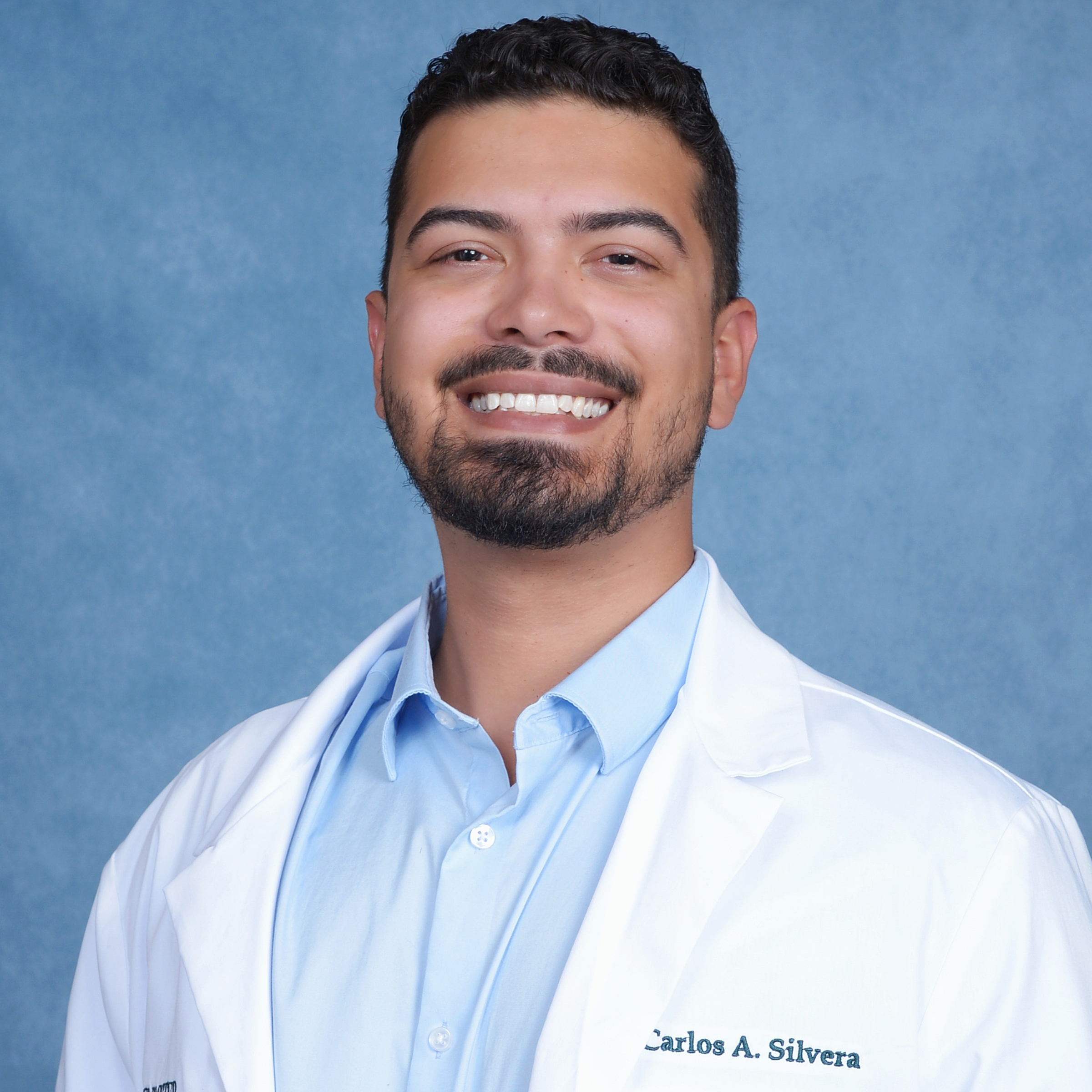
Carlos A. Silvera

Ph.D. student in Human Development and Family Sciences at Texas Tech University and Manager, Research Support at the University of Miami Sylvester Comprehensive Cancer Center, examining health outcomes, health decision-making, and stress processes among Hispanic/Latine and sexual and gender minority communities living with cancer, cardiovascular disease, and other chronic conditions.

Doctoral Researcher • STAR Lab & CARE Lab
Manager, Research Support • BMHO Lab
Carlos A. Silvera, health equity and behavioral medicine researcher
Health outcomes
Chronic conditions, care experiences & quality of life
Decision-making
Healthcare choices within cultural & social contexts
Stress processes
Social influences on health & well-being

About

My research examines health outcomes, health decision-making, and stress processes among Hispanic/Latine and sexual and gender minority communities living with chronic conditions, including cancer and cardiovascular disease. I am particularly interested in how cultural and social factors shape stress responses, healthcare decisions, and quality of life. Informed by my lived experience and interdisciplinary research background, my long-term goal is to develop culturally responsive behavioral medicine interventions and models of care that reduce health inequities and improve outcomes for historically underserved communities.

Focus areas

The questions and communities at the center of my work.

Health outcomes & chronic conditions

Understanding quality of life, care experiences, and health outcomes among people living with cancer, cardiovascular disease, and other chronic conditions.

Health decision-making

Examining how people and families navigate healthcare decisions within their cultural, social, and lived contexts.

Stress processes & health equity

Investigating how stress and social conditions shape health across Hispanic/Latine and sexual and gender minority communities.

Research goals

How I hope to translate this work into meaningful impact.

Understand

  • Identify the cultural and social factors that shape stress responses.
  • Examine how lived experiences influence healthcare decisions and outcomes.

Develop

  • Build culturally responsive behavioral medicine interventions.
  • Advance models of care grounded in community experiences and needs.

Improve

  • Reduce health inequities affecting historically underserved communities.
  • Improve quality of life for people living with chronic conditions.

Let’s connect

I welcome opportunities to collaborate on research addressing Hispanic/Latine and sexual and gender minority health, chronic conditions, cancer and cardiovascular health, stress processes, health decision-making, and culturally responsive behavioral medicine.